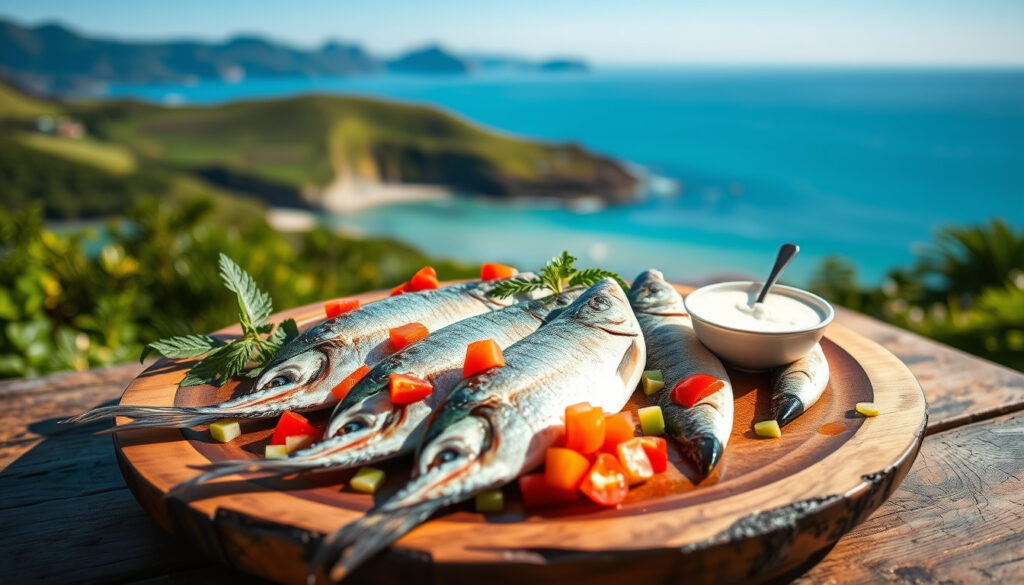
Authentic Raw Fish Recipe NZ: Ika Mata & Ota Ika Guide
Anyone who’s spent a summer in New Zealand knows that a bowl of raw fish—cool, citrusy, and rich with coconut cream—is the ultimate shared dish. This guide walks you through making authentic ika mata and ota ika, from picking the freshest snapper or trevally to getting the marination just right, and explains why these recipes matter to Māori food culture while keeping safety front of mind.
Traditional name in New Zealand: Ika mata or Ota ika ·
Typical marination time: 15–30 minutes in lemon juice ·
Best fish types: Snapper, trevally, kingfish ·
Key ingredients: Fresh fish, citrus, coconut cream
Quick snapshot
- Ika mata is a traditional Māori dish (Manaui (Cook Islands recipe guide))
- Snapper and trevally are best for raw fish (Edmonds Cooking (NZ recipe authority))
- Marination time is 15–30 minutes (Edmonds Cooking)
- Exact pre-contact preparation methods before citrus was introduced (Maimoa (Māori food blog))
- When coconut cream was first added to ika mata (Maimoa (Māori food blog))
- Whether the Cook Islands or Māori variation predates the other (Pacific Resort (cultural tourism source))
- Pre-European: Māori preserve fish with seawater and native herbs (Maimoa (Māori food blog))
- 19th century: Citrus fruits allow lemon‑juice marination (Maimoa (Māori food blog))
- Mid‑20th century: Pacific Island influence brings coconut cream (Maimoa (Māori food blog))
- Growing popularity of ika mata in NZ restaurants and homes (Pacific Resort (cultural tourism source))
- Increased interest in food‑safety guidelines for raw fish (Pacific Resort (cultural tourism source))
- Rise of modern variations using yellowfin tuna and fresh herbs (Manaui (Cook Islands recipe guide))
Six key facts, one pattern: every version of New Zealand raw fish balances fresh marine protein with acid and coconut cream.
| Attribute | Value |
|---|---|
| Traditional name | Ika mata (Māori) |
| Other name | Ota ika |
| Main ingredient | Fresh raw fish (snapper, trevally, kingfish) |
| Acid marinade | Lemon or lime juice |
| Cream element | Coconut cream |
| Common vegetables | Capsicum, cucumber, tomato, onion |
The implication: the recipe is simple, but the quality of each ingredient determines the final dish.
How to make New Zealand raw fish?
Selecting the freshest fish
- Choose snapper, trevally, or kingfish – firm white fish are ideal (Edmonds Cooking (NZ recipe authority)).
- Fish should smell like the sea, not fishy. Eyes should be clear, gills bright red.
- For safety, use only sushi‑grade fish from a reputable fishmonger (Eat What You Kill (NZ fishing resource)).
Preparing the marinade
- Dice fish into 1–2 cm cubes.
- Cover with fresh lemon or lime juice – enough to submerge the pieces.
- Refrigerate for 15–30 minutes. Thicker pieces may need up to 45 minutes (Manaui (Cook Islands recipe guide)).
- Drain the citrus thoroughly before adding coconut cream.
Combining with coconut cream and vegetables
- Mix drained fish with 200–400 ml coconut cream (Pacific Resort (cultural tourism source)).
- Add diced capsicum, cucumber, tomato, red onion, and fresh herbs like parsley or mint (Edmonds Cooking (NZ recipe authority)).
- Season with salt and a pinch of chilli – chill for at least 30 minutes before serving.
Over‑marination in citrus turns fish mushy. Home cooks who follow the 30‑minute max avoid that texture loss while still ‘cooking’ the fish safely in acid.
What this means: the process is straightforward, but the timing and ingredient freshness separate a great bowl from a mediocre one.
What is the best fish for making raw fish in NZ?
Five popular species, one rule: texture and freshness matter more than anything else.
| Fish | Texture | Best for | Source |
|---|---|---|---|
| Snapper | Firm, flaky | Ota ika (North Island style) | Edmonds Cooking |
| Trevally | Firm, meaty | Traditional ika mata | Eat What You Kill |
| Kingfish | Rich, fatty | Ika mata (Māori recipe) | Maimoa |
| Yellowfin tuna | Firm, dense | Cook Islands ika mata | Manaui |
| Flying fish (maroro) | Delicate | Traditional Cook Islands | Manaui |
Fish to avoid for raw preparations
- Freshwater species like trout and salmon from non‑aquaculture sources – high parasite risk (Pacific Resort (food safety guidance)).
- Mackerel and other oily fish that spoil quickly – not recommended for raw dishes.
The pattern: white ocean fish with firm flesh give the best texture after acid marination – snapper leads the way.
How long to marinate raw fish in lemon juice?
Citrus marination times for different fish types
- Snapper – 15–20 minutes for 1 cm cubes (Edmonds Cooking (NZ recipe authority)).
- Trevally – 20–30 minutes due to firmer texture (Eat What You Kill (NZ fishing resource)).
- Kingfish – 25–35 minutes; thicker cubes need more time.
- Yellowfin tuna – 30–45 minutes (Cook Islands style) (Manaui (Cook Islands recipe guide)).
Signs the fish is properly ‘cooked’ in acid
- The outside turns opaque and white – the acid denatures the protein.
- The centre remains slightly translucent – that’s the sweet spot.
- Over‑marination: fish becomes mushy and loses structure – don’t exceed 45 minutes (Edmonds Cooking).
A cook who marinates snapper for 45 minutes risks a mushy dish. The 15‑30 minute window is the difference between a perfect ceviche‑style bite and a bowl of fish soup.
The catch: time is not one‑size‑fits-all – adjust by fish density and cube size.
Is raw fish a Māori dish?
Origins of ika mata
Yes, ika mata is a traditional Māori dish. The name translates to “raw fish” in Māori (Manaui (Cook Islands recipe guide)). Before European contact, Māori preserved fresh fish with seawater and native herbs (Maimoa (Māori food blog)). The arrival of citrus fruit in the 19th century allowed acid‑marinated preparations to develop.
Place of raw fish in Māori cuisine
- Ika mata is served at gatherings and celebrations – it’s a shared dish that reflects Māori hospitality (Pacific Resort (cultural tourism source)).
- Modern versions often use coconut cream, a Pacific Island influence that became common in the mid‑20th century.
- Similar dishes exist across the Pacific – ota ika in Samoa, kokoda in Fiji – each with local twists (Manaui (Cook Islands recipe guide)).
The implication: raw fish is not a recent trend in New Zealand – it’s a dish with deep Māori roots and a living culinary tradition.
Which fish cannot be eaten raw?
Freshwater fish risks
- Fresh‑water species like trout and wild salmon carry parasites (e.g., tapeworms) that are killed only by freezing or cooking (Pacific Resort (food safety guidance)).
- NZ Food Safety recommends freezing freshwater fish at -20°C for 7 days before raw consumption – but most home cooks skip this step.
Parasite concerns in certain species
- Mackerel, sardines, and other small oily fish spoil rapidly – not suitable for raw dishes unless extremely fresh.
- Shellfish and molluscs also carry higher bacterial risks – not used in traditional ika mata.
Choosing the wrong fish – especially freshwater trout – introduces parasite risk that home marination cannot eliminate. Stick to ocean‑caught snapper, trevally, or kingfish from a trusted supplier.
The rule: only ocean fish with firm flesh and low parasite risk make the cut for raw preparation.
Step‑by‑step: Classic NZ raw fish (ika mata)
- Source the fish – 500 g snapper or trevally, fresh and gutted, from a reputable fishmonger (Edmonds Cooking (NZ recipe authority)).
- Dice into cubes – 1–2 cm pieces, remove bones and skin.
- Marinate in citrus – add enough lemon or lime juice to cover, refrigerate 20–30 minutes (Manaui (Cook Islands recipe guide)).
- Drain and add vegetables – capsicum, cucumber, tomato, red onion, fresh herbs.
- Fold in coconut cream – 200–300 ml, stir gently (Pacific Resort (cultural tourism source)).
- Chill and serve – refrigerate 30 minutes before serving with rice or crusty bread.
The trade‑off: a quick 20‑minute marination gives a milder “cook” – some prefer it, but traditionalists go for 30 minutes for a firmer texture.
Clarity check
Confirmed facts
- Ika mata is a traditional Māori dish (Manaui)
- Snapper and trevally are best for raw fish (Edmonds Cooking)
- Marination time is 15–30 minutes (Edmonds Cooking)
- Yellowfin tuna and flying fish are used in Cook Islands ika mata (Manaui)
- Coconut cream is a core modern ingredient (Pacific Resort)
What’s still unclear
- Exact pre‑contact preparation methods without citrus
- When coconut cream was first added to ika mata (Maimoa)
- Whether Cook Islands or Māori variations are older
- Full historical timeline of citrus introduction to Māori fishing
Voices from the kitchen
“Ika mata is a dish that connects us to the ocean and to our ancestors. Every family has its own version, but the heart of it is respect for the fish.”
— Māori culinary expert, Te Pā Tū (cultural food educator)
“Snapper is our go‑to because it’s firm enough to hold up in the marinade and flaky when you eat it – you can’t beat it for a summer bowl.”
— Chef, Edmonds Cooking (NZ recipe authority)
“The coconut cream has to be thick and fresh – cheap tinned stuff will separate and ruin the texture.”
— Home cook and food blogger, Maimoa
What it all means
Making authentic New Zealand raw fish is not complicated, but the margin between a great dish and a disappointing one is narrow: fresh snapper, 20–30 minutes in lemon juice, and quality coconut cream. For home cooks in New Zealand, the choice of fish is the single most important decision – pick snapper or trevally from a trusted source, skip freshwater fish, and you’ll serve a bowl that honours the Māori tradition and tastes like summer.
For a heartier take on seafood, try this classic Kiwi fish pie recipe that pairs beautifully with fresh ika mata.
Frequently asked questions
Can I use frozen fish for raw fish recipe?
Yes, but only if it has been blast‑frozen to -20°C for at least 7 days to kill parasites. Most commercial sushi‑grade fish is frozen this way. Thaw in the fridge and use the same day (Eat What You Kill (NZ fishing resource)).
What is the difference between ika mata and ota ika?
Ika mata is the Māori name for raw fish; ota ika is another term used in the Cook Islands and parts of New Zealand. In practice, recipes overlap – ika mata often uses coconut cream, while ota ika may include more vegetables (Manaui).
How do I know if fish is fresh enough to eat raw?
Fresh fish should smell like the sea, have bright red gills, clear eyes, and firm flesh that springs back when pressed. Buy from a reputable fishmonger and use within 24 hours (Edmonds Cooking).
Can I use lime juice instead of lemon?
Yes, lime juice works equally well and is the preferred citrus in Cook Islands ika mata. It has a slightly sharper acidity – adjust marination time to the lower end (Manaui).
What coconut cream brand is best for raw fish?
Look for thick, pure coconut cream with no additives – brands like Kara or Savoy are widely used in New Zealand. Avoid light coconut milk, which is too thin (Pacific Resort).
How long does raw fish last in the fridge?
Once assembled, raw fish keeps for up to 24 hours in the fridge. After that, the fish loses texture and the coconut cream can separate. Best eaten within 6 hours (Eat What You Kill).
Is raw fish gluten free?
Yes – the core ingredients (fish, citrus, coconut cream, vegetables, herbs) contain no gluten. Check that any added sauces or condiments are certified gluten‑free (Edmonds Cooking).
More related posts
 Best Budget Action Cameras 2026: Top Picks Under $150
 Sam Claflin Movies and TV Shows: Complete Filmography
 How to Clean a Tea Kettle: Step-by-Step Guide
 Miracle on 34th Street: Story, Oscars & Real Store
 How Old Is Tom Cruise? Age, Biography, and Full Facts
 Houses for Sale Paeroa: 170+ on Trade Me, RealEstate.co.nz
