What to Eat When You Have Diarrhoea: Foods That Help & Avoid
When your stomach is in turmoil and the bathroom starts feeling like your new office, figuring out what to eat can be a real puzzle. The standard advice still leans on gentle, binding foods, but modern guidelines add a few twists that might surprise you. Whether you’re dealing with a 24-hour bug or a stubborn episode, the right choices can shave days off your recovery.
Typical duration: 2-3 days ·
Leading cause: infectious agents ·
Annual global episodes: approx. 1.7 billion (WHO) ·
Recommended fluid intake: 8-10 glasses per day (NHS)
Quick snapshot
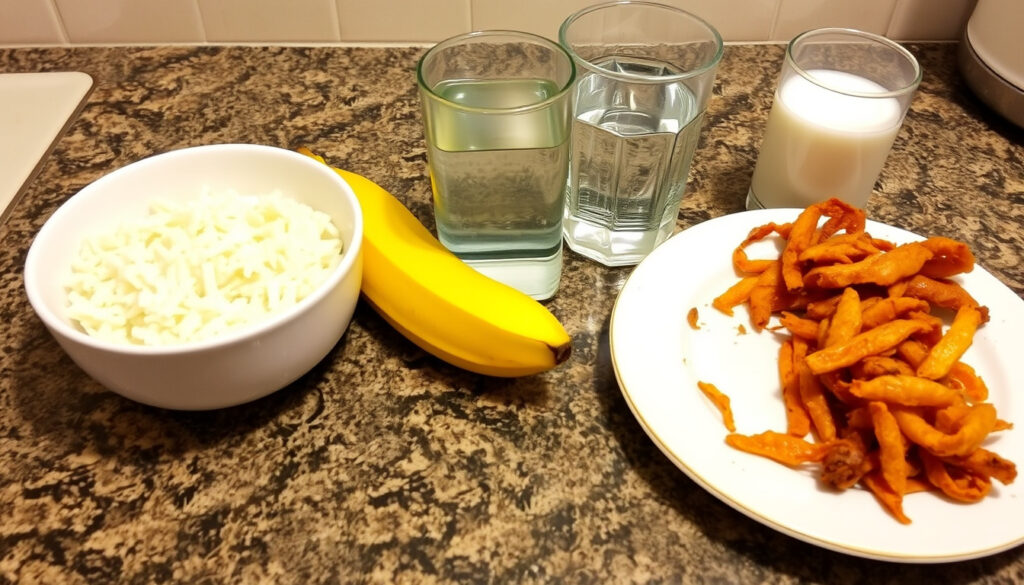
- BRAT diet (bananas, rice, applesauce, toast) is safe and helps bind stool (Cleveland Clinic)
- Oral rehydration solutions prevent dehydration by replacing fluids and salts (Royal Berkshire NHS Foundation Trust)
- Loperamide reduces stool frequency in non-infectious diarrhea (IMODIUM UK)
- Efficacy of probiotics in acute diarrhea is mixed (Cochrane review)
- Role of specific foods like eggs or porridge has limited clinical trials (Cochrane review)
- Whether complete avoidance of dairy is necessary for everyone is uncertain (NHS)
- Acute diarrhea typically resolves within 2–3 days (NHS)
- If symptoms persist beyond 3 days, seek medical advice (NHS)
- Gradually reintroduce bland foods after rehydration (NHS)
- Return to normal diet within a week if symptoms subside (NHS)
- If diarrhea becomes chronic (>2 weeks), consult a doctor (NHS)
Six key figures put the condition in perspective.
| Fact | Value |
|---|---|
| Typical duration | 2-3 days (acute) |
| Global cases annually | 1.7 billion (WHO) |
| Leading cause of death in children under 5 | Diarrheal disease (WHO) |
| First-line treatment | Oral rehydration + bland diet |
| Antidiarrheal medication | Loperamide (Imodium) for adults without fever/blood |
| NHS recommended fluids | 8-10 glasses per day of water or ORS |
What Foods Help Stop Diarrhea?
BRAT diet: bananas, rice, applesauce, toast
- Bananas provide potassium lost through diarrhea (Healthline)
- White rice is low-fiber and binding (Cleveland Clinic)
- Applesauce offers pectin but no skin – safe for sensitive guts
- Plain white toast provides starchy carbs without fat
The BRAT diet remains a safe starting point for most adults, but modern nutritionists suggest expanding it with other bland foods to avoid nutritional gaps.
Other bland foods: plain pasta, crackers, boiled potatoes
- Plain pasta and crackers are low-fiber and easily tolerated (Royal Berkshire NHS Foundation Trust)
- Boiled white potatoes (without skin) are binding and provide potassium (Cleveland Clinic)
Probiotics: yogurt, kefir
- Probiotics may shorten diarrhea duration, but evidence is mixed (NHS)
- Choose plain yogurt without added sugar – lactose may be an issue for some
The pattern: bland, low-fiber foods are your allies. The catch is that over-relying on the BRAT diet can miss protein and fat needed for recovery, so reintroduce regular foods as soon as you feel ready.
What Stops Diarrhea Quickly?
Oral rehydration solutions (Diarolyte)
- Diarolyte replaces both fluids and salts lost during diarrhea (Royal Berkshire NHS Foundation Trust)
- Sip small amounts frequently – aim for 10 cups (2 litres) per day
Over-the-counter loperamide (Imodium)
- Loperamide reduces stool frequency and urgency (IMODIUM UK)
- Do not use if you have fever or bloody stool (NHS)
Rest and clear fluids
- Water, diluted squash, or clear broth are best – avoid fruit juice and fizzy drinks (NHS)
- Caffeine, alcohol, and sugary drinks can worsen diarrhea (NIDDK)
Overusing anti-diarrheal medication when infection is present can trap bacteria in your gut – avoid if fever or bloody stool.
What this means: quick relief comes from rehydration first, medication second. The trade-off is that blocking symptoms can mask an underlying infection.
What Foods Will Harden Your Stool?
Soluble fiber foods: oats, bananas, applesauce
- Soluble fiber absorbs water and firms stool (Healthline)
- Oatmeal (made with water) is gentle and binding
Low-fiber starches: white rice, white bread
- Low-fiber starches reduce bowel movement frequency (Cleveland Clinic)
- Whole grains have too much fiber – stick to refined versions
Tannin-rich foods: black tea, blueberries
- Tannins have astringent properties that can slow diarrhea (IMODIUM UK)
- Blueberries (cooked or canned) provide pectin
The implication: firming stool is about choosing the right type of fiber – soluble, not insoluble.
Should I Keep Eating If I Have Diarrhea?
Eat small, frequent meals
- Eating early may shorten diarrhea duration (University Hospitals Coventry and Warwickshire NHS Trust)
- The body needs nutrients to repair the gut lining
Avoid fasting for more than 24 hours
- Fasting is not recommended for children (WHO)
- For adults, missing one or two meals is fine, but prolonged fasting can weaken recovery
Prioritize hydration over solid food
- Solid foods can be reintroduced after rehydration (Royal Berkshire NHS Foundation Trust)
- Listen to your body – eat when you feel able (NHS)
The catch: the old “starve a fever, feed a cold” doesn’t apply here. Light eating is better than nothing.
How Long Does It Take to Get Bowels Back to Normal After Diarrhea?
Acute diarrhea resolves in 2-3 days
- Most cases of acute diarrhea resolve within 3 days (NHS)
- After the acute phase, stools may remain loose for another day or two
Chronic diarrhea may last weeks
- Post-infectious IBS can prolong symptoms (Cleveland Clinic)
- Underlying conditions like IBD or coeliac disease need investigation
Return to normal diet gradually
- Gradual reintroduction of fiber prevents relapse (Healthline)
- Wait 24 hours after the last loose stool before trying high-fiber foods
Why this matters: getting back to normal isn’t instant – the gut lining needs time to heal.
Is Scrambled Egg on Toast Good for Diarrhea?
Eggs are low-fiber and easy to digest
- Scrambled eggs are binding and well tolerated (IMODIUM UK)
- Avoid adding milk or butter – lactose and fat can aggravate symptoms
Toast provides bland carbohydrates
- White toast is part of the BRAT extension (Healthline)
- Limit butter or margarine – high fat can worsen diarrhea (NHS)
Are Mashed Potatoes Ok for Diarrhea?
Plain mashed potatoes without butter or milk
- Boiled white potatoes are low-fiber and binding (Cleveland Clinic)
- Mash with a little water or plant-based milk to avoid dairy
Potassium-rich for electrolyte balance
- Potassium in potatoes replaces losses from diarrhea (NHS)
- Avoid the skin – too much insoluble fiber
Milk and butter may cause lactose intolerance
- Lactose can be poorly absorbed during diarrhea (IMODIUM UK)
- Use dairy-free alternatives until recovery
Steps to Recovery: What to Do Step-by-Step
- Hydrate first. Sip oral rehydration solution or water throughout the day – aim for 2 litres.
- Rest your gut. Skip fatty, spicy, and high-sugar foods for the first 24 hours.
- Start with bland foods. Introduce BRAT items – bananas, rice, applesauce, toast.
- Add protein gently. After 24 hours, try scrambled eggs or plain chicken breast.
- Reintroduce fiber slowly. Once stools are formed, add cooked vegetables and oats.
- Monitor your symptoms. If diarrhea persists beyond 3 days, consult a doctor.
Recovery Timeline: What to Expect Hour by Hour
Diarrhoea follows a predictable pattern in most cases.
- Day 1-2: Onset of acute diarrhea; focus on rehydration and rest.
- Day 3: Most acute episodes resolve; begin reintroducing bland foods.
- Week 1: Return to normal diet if symptoms subside; if not, consult a doctor.
- Prolonged (>2 weeks): Chronic diarrhea; requires medical evaluation for underlying cause.
The pattern: timelines vary, but the majority bounce back within 3 days. The catch: post-infectious IBS can extend symptoms for weeks.
What We Know and What’s Still Fuzzy
Confirmed facts
- BRAT diet is safe and binding for mild diarrhea.
- Oral rehydration prevents dehydration effectively.
- Loperamide reduces frequency in non-infectious diarrhea.
- Avoid caffeine, alcohol, and high-fat foods during acute episodes.
What’s unclear
- Efficacy of probiotics in acute diarrhea is mixed per Cochrane review.
- Role of specific foods like eggs or porridge has limited clinical trials.
- Whether complete avoidance of dairy is necessary for all adults is uncertain.
- How quickly gut bacteria normalize after an episode is not well studied.
- Optimal timing for reintroducing high-fiber foods lacks consensus.
What Experts Say
The most important thing is to have lots of fluids to avoid dehydration. Take small regular sips if you feel sick.
Oral rehydration solutions such as Diarolyte can help prevent dehydration in severe diarrhoea because they replace both fluids and salts.
Royal Berkshire NHS Foundation Trust
The BRAT diet is a safe starting point, but you can expand to other bland foods as tolerated.
Cleveland Clinic
For anyone recovering from diarrhoea, the choice is clear: prioritise hydration and bland, low-fiber foods, and avoid the urge to fast for too long. For children, the elderly, and pregnant women, the stakes are higher – early medical advice can prevent complications. Skipping the right steps can extend symptoms; following them gets you back on solid ground faster.
oregonclinic.com, health.harvard.edu, uhsussex.nhs.uk, cuh.nhs.uk, patient.info
For a comprehensive list of safe options, refer to the NHS guide on diarrhoea foods for expert-backed recommendations.
Frequently asked questions
Can I eat yogurt when I have diarrhea?
Yes, plain yogurt with live cultures can provide probiotics. However, if you are lactose intolerant, it may worsen symptoms. Start with a small amount.
Is chicken noodle soup good for diarrhea?
Yes, the broth helps with hydration and the noodles provide bland carbohydrates. Avoid high-fat versions with cream.
Does drinking coffee make diarrhea worse?
Yes, caffeine stimulates the gut and can increase stool frequency. Stick to decaf or avoid coffee until recovery.
What should I avoid eating right after diarrhea stops?
Avoid high-fiber foods, spicy dishes, dairy (if sensitive), and sugary treats for at least 24 hours after the last loose stool.
Can diarrhea be a sign of something serious?
It can. If it lasts more than 3 days, contains blood, or is accompanied by severe pain or fever, consult a doctor.
How much water should I drink with diarrhea?
Aim for 8-10 glasses (about 2 litres) per day, plus an oral rehydration solution if needed. Sip slowly throughout the day.
Is ginger ale good for diarrhea?
Ginger may help nausea, but most ginger ales are high in sugar, which can worsen diarrhea. Opt for sugar-free ginger tea instead.
How do I know if I am dehydrated from diarrhea?
Signs include dark urine, dry mouth, dizziness, and reduced urination. In severe cases, confusion and sunken eyes warrant immediate medical attention.
Related reading: Hand, Foot, and Mouth Symptom: Early Sign and Treatment · How to Cook Chicken Breast: Best Methods & Health Guide
More related posts
 Rugby World Cup 2019 Schedule NZ: All Blacks Matches & Results
 Rental Cars Gold Coast: Your Complete Comparison Guide
 Cast of Avengers: Doomsday: Confirmed Actors & Rumors
 Westpac Bonus Saver Interest Rate: 1.25% NZ vs 4.75% AU
 Spider Solitaire Full Screen – Play Free Online No Download
 NZ Dollars to Euros: Live Rate, Conversion & Forecast
 Simon Dallow New Wife: Facts About Louise Colenbrander
 Most Expensive LEGO Set 2025: Death Star 75419 Facts
