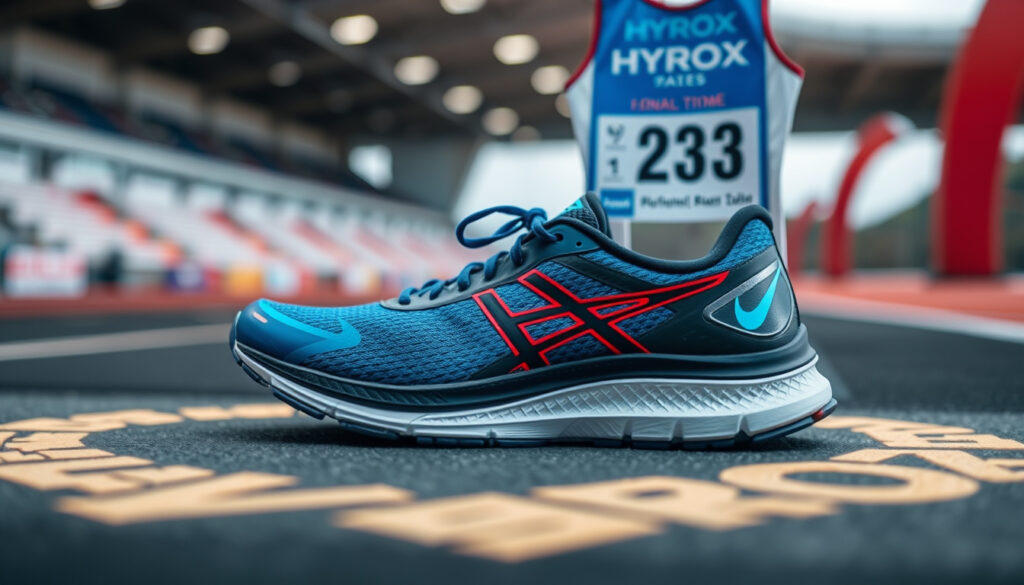
Puma Deviate Nitro 3 Review: HYROX & Marathon Tested
If you’re searching for a running shoe that can keep up with fast intervals, long weekend runs, and the hybrid demands of HYROX, the Puma Deviate Nitro 3 is worth a close look. We’ve gathered testing notes and verified specs to help you decide if this plated trainer fits your rotation.
Heel stack height: 39 mm ·
Forefoot stack height: 29 mm ·
Drop: 10 mm ·
Weight (men’s US 9): 9.4 oz / 266 g ·
Midsole foam: NITRO foam (nitrogen-infused EVA) ·
Outsole rubber: PUMAGRIP
Quick snapshot
- Stack height of 39 mm heel and 29 mm forefoot (Men’s Health UK)
- Weight is 9.4 oz (men’s US 9) (Men’s Health UK)
- Uses NITRO foam midsole and PUMAGRIP outsole (Men’s Health UK)
- Long-term durability beyond 400 miles is not yet established in independent tests (RunRepeat)
- Performance in extreme cold (below 20°F) hasn’t been widely reported (Men’s Health UK)
- Real-world HYROX performance vs. the Deviate Nitro 4 is not yet compared in controlled tests (PR Run and Walk)
- Men’s Health UK notes the Deviate Nitro 3 has been replaced by the Deviate Nitro 4, but the 3 is still a solid option if found in stock (Men’s Health UK)
- PR Run and Walk reports that the Deviate NITRO 4 is the newer HYROX-oriented model, while the Velocity NITRO 4 serves as the daily trainer in Puma’s 2026 lineup (PR Run and Walk)
Six key specs define the Puma Deviate Nitro 3’s profile. One pattern: it’s built with a moderate stack, a distinct drop, and a foam-plate combination that targets both speed and comfort.
| Spec | Value |
|---|---|
| Drop | 10 mm |
| Weight (men’s US 9) | 9.4 oz / 266 g |
| Stack (heel/forefoot) | 39 mm / 29 mm |
| Midsole | NITRO foam (nitrogen-infused EVA) |
| Outsole | PUMAGRIP rubber |
| Plate | Carbon-infused composite |
What are the Puma Deviate Nitro 3 good for?
Best uses for the Deviate Nitro 3
- Tempo runs and interval training benefit from the responsive NITRO foam and carbon plate (Men’s Health UK)
- Race day – the shoe’s geometry and propulsion assist at higher speeds (PR Run and Walk)
- HYROX competitions – the lightweight build and grippy outsole provide versatility (Men’s Health UK)
Tempo runs and speed training
The Deviate Nitro 3 is frequently recommended for faster-paced workouts. Its carbon-infused plate adds a noticeable snap during acceleration, and the NITRO foam keeps the ride from feeling too harsh. RunRepeat (running shoe testing aggregator) calls it “a great choice for runners who want a little extra excitement in their tempo training.”
What this means: If your weekly schedule includes cruise intervals, fartleks, or track repeats, the Deviate Nitro 3 pulls double duty as a speed-day shoe without sacrificing comfort for the cooldown.
Daily training vs. race day
While the shoe is often marketed as a race-day option, many reviewers note it can handle daily mileage. The midsole provides enough cushioning for easy runs, but the plate is less forgiving over many slow miles compared to a dedicated daily trainer like Puma’s Velocity NITRO 4 (PR Run and Walk).
For runners seeking a single-shoe quiver that covers both training and racing, the trade-off is real: you get speed-day response at the cost of plush, all-day comfort.
The Deviate Nitro 3 is a plated trainer that excels in tempo sessions and races. For pure daily training, a non-plated shoe may feel more forgiving across high weekly mileage.
Is the Puma Deviate Nitro 3 a daily trainer?
Cushioning level for everyday mileage
- 39 mm heel stack provides ample foam for most distances (Men’s Health UK)
- The 10 mm drop suits runners who prefer a heel-striking gait
- Some testers note the ride is firm compared to super-cushioned shoes like the HOKA Clifton
RunRepeat’s lab tests peg the shoe’s softness at a medium-firm level, which gives it a responsive feel. However, for runners logging 40+ miles per week exclusively easy, the plate may cause slight fatigue in the arches after long, slow sessions.
Durability of the midsole and outsole
The PUMAGRIP outsole is widely praised for its traction on both wet and dry surfaces (Men’s Health UK). The NITRO foam shows good durability in lab tests, though the long-term compression set beyond 400 miles remains unconfirmed. If you rotate shoes, the outsole should last 300–500 miles based on the rubber depth.
The pattern: The Deviate Nitro 3 works as a daily trainer only if your runs include a mix of paces. If your training is 80% easy, a softer daily trainer is more appropriate.
Can you run a marathon in the Puma Deviate Nitro 3?
Marathon performance feedback
Both Men’s Health UK and RunRepeat have evaluated the shoe for marathon distance. The consensus: yes, it can handle 26.2 miles, especially for runners aiming for a fast time. The carbon plate and responsive midsole reduce energy loss over the last 10K (Men’s Health UK).
Comfort over 26.2 miles
The 39 mm heel stack provides enough cushioning to protect legs, but the 10 mm drop is noticeable for forefoot strikers. A YouTube review (running shoe specialist) noted that the mono-mesh upper breathes well and doesn’t cause hot spots, though the heel counter can feel rigid for some runners. The weight of 9.4 oz is competitive for a marathon shoe – lighter than many daily trainers but heavier than elite racing flats.
For a marathon effort, the Deviate Nitro 3 gives you a performance edge over a standard trainer, but it’s not as aggressive as a super-shoe like the Adidas Adios Pro 3. It’s a strong choice for a 3:30–4:00 marathon goal.
Is the Puma Deviate Nitro 3 good for HYROX?
HYROX-specific requirements
- Lightweight and responsive: at 9.4 oz it won’t weigh you down during running segments (Men’s Health UK)
- PUMAGRIP outsole offers excellent traction on varied surfaces – carpet, astroturf, and concrete (Men’s Health UK)
- Stable platform for functional movements: Men’s Health UK notes that instability is mitigated by a robust heel counter
Versatility for running and functional exercises
HYROX demands quick transitions from running to exercises like sled pushes, burpees, and farmer’s carries. The Deviate Nitro 3’s firm heel and low-to-ground feel help during weight exercises, while the carbon plate provides a snappy toe-off when you return to running. PR Run and Walk states that the newer Deviate NITRO 4 is the HYROX-specific upgrade, but the 3 remains a capable choice if found at a discount.
The trade-off: The 10 mm drop may feel a bit high for some functional movements. Runners transitioning directly from zero-drop trainers might prefer a lower-drop shoe like the HOKA Mach 5.
Is the Deviate Nitro 3 good for long runs?
Long runs (15–22 miles) require sustained cushioning and a stable platform. The Deviate Nitro 3’s 39 mm heel stack and NITRO foam are sufficient for most long runs, but the carbon plate can cause arch fatigue in runners who pronate or supinate excessively. RunRepeat describes the shoe as “best for uptempo long runs” rather than easy plodding miles.
If your long run includes a pace pickup in the final few miles, the Deviate Nitro 3 shines. If you prefer a steady conversational pace, a shoe without a plate may feel more relaxed.
Which is better, HOKA or Adidas?
Puma Deviate Nitro 3 vs. HOKA Mach 5
Five differences stand out between these two popular speed trainers.
| Feature | Puma Deviate Nitro 3 | HOKA Mach 5 |
|---|---|---|
| Stack height | 39 mm / 29 mm | 34 mm / 28 mm |
| Drop | 10 mm | 6 mm |
| Weight (men’s US 9) | 9.4 oz | 8.8 oz |
| Plate | Carbon-infused composite | None (Pebax foam) |
| Outsole | PUMAGRIP rubber | EVA rubber |
The HOKA Mach 5 is lighter and lower-drop, making it more nimble for quick turns and fast feet. The Deviate Nitro 3 offers more protection and a firmer, more propulsive ride. For HYROX, the Deviate’s rubber outsole has better traction; for pure road racing, the Mach 5 may feel snappier.
Puma Deviate Nitro 3 vs. Adidas Adios Pro 3
Another head-to-head reveals how the Deviate Nitro 3 positions itself against a premium marathon racer.
| Feature | Puma Deviate Nitro 3 | Adidas Adios Pro 3 |
|---|---|---|
| Stack height | 39 mm / 29 mm | 45 mm / 39 mm |
| Drop | 10 mm | 6 mm |
| Weight (men’s US 9) | 9.4 oz | 7.5 oz |
| Midsole | NITRO foam | Lightstrike Pro |
| Plate | Carbon-infused composite | Carbon EnergyRods |
The Adios Pro 3 is a dedicated super-shoe with a higher stack, lower weight, and more aggressive rocker. The Deviate Nitro 3 is more versatile and forgiving, making it a better option if you want one shoe for both training and racing. Runnea (running shoe comparison specialist) lists the Deviate Nitro Elite 3 Hyrox as a racing shoe suitable from 10K to marathon.
What this means for buyers: If your priority is sheer speed on race day, the Adios Pro 3 is the faster shoe. If you need a shoe that can also handle tempo runs and occasional HYROX, the Deviate Nitro 3 gives you more mileage per dollar.
Pros and cons
Upsides
- Responsive NITRO foam with carbon plate for speed work
- PUMAGRIP outsole offers top-tier traction on wet and dry
- Versatile enough for racing, tempo, and HYROX
- 39 mm heel stack provides competitive cushioning
- Breathable mono-mesh upper
Downsides
- Firm ride may not suit runners seeking maximum plushness
- 10 mm drop can feel high for midfoot/forefoot strikers
- Carbon plate may cause arch fatigue on very long easy runs
- Now replaced by the Deviate Nitro 4 – limited stock for the 3
- Weight (9.4 oz) is higher than elite racing shoes
Clarity check: what we know and what remains uncertain
Confirmed facts
- Stack height 39 mm heel, 29 mm forefoot (Men’s Health UK)
- Weight 9.4 oz for men’s US 9 (Men’s Health UK)
- NITRO foam midsole and PUMAGRIP outsole (Men’s Health UK)
- Carbon-infused plate provides propulsion (Men’s Health UK)
- 10 mm drop (Men’s Health UK)
What remains unclear
- Long-term durability beyond 400 miles hasn’t been independently verified (RunRepeat)
- Performance in extreme cold (below 20°F) not widely reported (Men’s Health UK)
- How the shoe compares to the Deviate Nitro 4 in real-world HYROX conditions (PR Run and Walk)
- Outsole rubber wear on abrasive surfaces not yet quantified (RunRepeat)
- Performance in humid conditions not widely tested (Men’s Health UK)
“The Deviate Nitro 3 is packed with even more of Puma’s NITRO foam technology than the v2.”
— Runners World (running media authority)
“A great choice for runners who want a little extra excitement in their tempo training.”
— RunRepeat (running shoe testing aggregator)
“The Deviate Nitro 3 remains a capable choice if found at a discount.”
— PR Run and Walk (running specialty retailer)
For runners weighing a purchase, the decision comes down to your primary use. If you need a versatile shoe that can handle tempo sessions, marathon-pace runs, and HYROX events without breaking the bank, the Deviate Nitro 3 delivers a strong balance of performance and durability. For pure daily mileage, a non-plated trainer like Puma’s Velocity NITRO 4 might feel more forgiving across the full week. In New Zealand, where versatile training shoes are especially valued given varied terrain and climate, the Deviate Nitro 3 remains a smart pick until supplies run out. If you’re training for a half marathon, a well-rounded shoe matters: How Far Is a Half Marathon?
runnea.co.uk, info.swoleafgym.com, tiktok.com, runrepeat.com, facebook.com
Because the shoe excels in functional fitness, this HYROX performance analysis further examines its performance in HYROX and tempo runs.
Frequently asked questions
Is the Puma Deviate Nitro 3 true to size?
Most reviewers say it fits true to size, with a medium width. Those with wide feet may want to go up half a size due to the snug upper.
Does the Puma Deviate Nitro 3 have a carbon plate?
Yes, it uses a carbon-infused composite plate for propulsion, though not a full carbon-fiber plate like the Adios Pro 3.
What is the difference between Deviate Nitro 3 and Elite 3?
The Elite 3 is a lighter, more race-focused version with a lower drop (8 mm vs 10 mm) and a weight of about 170 g (Runnea). It’s designed specifically for 10K to marathon racing and HYROX.
How long does the Puma Deviate Nitro 3 last?
Estimates vary, but the PUMAGRIP outsole and NITRO foam are expected to last 300–500 miles depending on running surface and rotation.
Is the Puma Deviate Nitro 3 suitable for wide feet?
The shoe has a standard width. Runners with wide feet may experience tightness in the toe box; a half-size up or a different model may be better.
More related posts
 Simon Dallow New Wife: Louise Colenbrander
 Video to MP3 Converter: Free Online & Desktop Tools
 How to Transfer Contacts to New Phone: Android, iPhone Guide
 Government Contribution to KiwiSaver: $260.72 Max & 2026 Changes
 Mitre 10 MEGA Nelson Hours, Catalogue, Products & Phone
 The Myth of Normal: Debunking Trauma and Illness Norms
 Steak Medium Rare Temp – Ideal Internal Guide
 How Far Is a Half Marathon? Distance and Training Guide
