How to Cook Brussel Sprouts – Crispy Methods and Times
Brussels sprouts often get a bad reputation, but when prepared correctly, these mini cabbages transform into a deliciously caramelized, crispy side dish that converts even the most skeptical eaters. Whether you prefer them roasted in the oven, quick-cooked in an air fryer, or sautéed with bold seasonings, mastering a few fundamental techniques makes all the difference. This guide covers the best cooking methods, timing guidelines, and practical tips to help you achieve perfectly cooked Brussels sprouts every time.
Understanding the basics of preparation—proper trimming, drying, and strategic seasoning—lays the foundation for exceptional results. The method you choose depends on your preferences for texture, time constraints, and the flavor profile you want to achieve. From high-heat roasting that creates crispy edges to gentler steaming that preserves nutrients, each approach has distinct advantages worth exploring.
What’s the Best Way to Cook Brussels Sprouts?
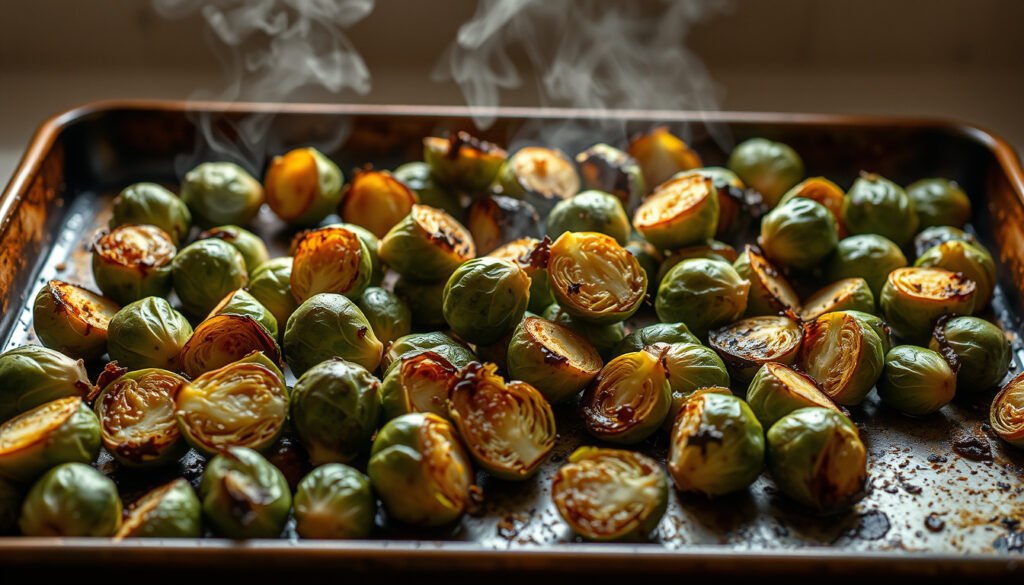
Roasting remains the most popular method for cooking Brussels sprouts, and for good reason. High oven temperatures (400–450°F) create the signature crispy exterior while keeping the interior tender. This method also naturally reduces the vegetable’s bitterness through caramelization, bringing out sweet, nutty flavors that appeal to nearly everyone. Placing cut sides down on the baking sheet maximizes browning and creates those coveted crispy edges that make this vegetable so satisfying.
Key Insights for Perfect Brussels Sprouts
- Crispy edges require dry sprouts — pat thoroughly after washing to promote browning rather than steaming
- Cut-side down maximizes caramelization — this positioning creates the best texture and appearance
- Single layer prevents overcrowding — use multiple pans if needed; steam escapes when sprouts overlap
- High heat with adequate oil — olive oil or bacon grease ensures even browning
- Flip or toss halfway through cooking — ensures all sides develop color and crispness
- Broil 2-3 minutes at the end — adds extra char and crunch for those who enjoy darker results
| Method | Prep Time | Cook Time | Temperature | Result |
|---|---|---|---|---|
| Roasting (Oven) | 10 min | 15-35 min | 400-450°F | Crispy edges, tender center |
| Air Frying | 5 min | 8-10 min | 370-400°F | Quick, crispy exterior |
| Steaming | 5 min | 8-10 min | 212°F (boiling water) | Tender, nutrient-dense |
| Sautéing (Stovetop) | 5 min | 10-12 min | Medium heat | Smoky, crispy with glaze |
| Parboiling + Roasting | 5 min | 2-3 min boil + 15-20 min roast | 400°F | Tender interior, crispy finish |
How to Make Crispy Brussels Sprouts
Achieving maximum crispiness involves several interconnected factors: moisture removal, heat management, and proper fat distribution. The goal is creating steam-free browning where the exterior quickly dehydrates while the interior finishes cooking through. Each step in the process contributes to that satisfying texture.
The Dry Factor
Moisture is the enemy of crispiness. After rinsing Brussels sprouts, pat them completely dry with clean kitchen towels or paper towels. Any water remaining on the surface will cause steaming instead of browning, resulting in soggy rather than crispy texture. This step proves especially critical for roasted and air-fried preparations where crispiness defines the dish.
Even slightly damp sprouts lead to steamed results. Take extra time drying halved sprouts, as the cut surfaces hold more moisture. For best results, prepare sprouts and let them air-dry on towels for 10 minutes before tossing with oil.
Oil and Heat Technique
A thin, even coating of oil (about 1-2 tablespoons per pound of sprouts) ensures each piece browns uniformly. Olive oil works well for most applications, while bacon grease adds rich, smoky depth for stovetop preparations. Preheat your baking sheet or pan before adding sprouts—this immediate contact creates a searing effect rather than gradual heating.
For oven roasting, position the cut side of each sprout face-down on the pan. This direct contact with the hot surface promotes caramelization along the flat edges where natural sugars concentrate. Flip pieces halfway through cooking to develop color on all sides.
How Long to Cook Brussels Sprouts (Times and Temperatures)
Cooking times vary significantly based on the method chosen and the size of the sprouts. Smaller vegetables cook faster and may need as little as 10-15 minutes at high heat, while larger specimens require additional time. Checking early and often prevents overcooking, which transforms creamy-tender sprouts into mushy, bitter results.
Roasting Times
At 400°F, expect 20-30 minutes for halved sprouts to reach golden-brown crispiness with tender interiors. Increase temperature to 450°F for slightly faster results (15-18 minutes), though monitor closely to prevent burning. Smaller, whole sprouts may finish in 10-15 minutes, so begin checking around the 10-minute mark.
Air Frying Times
Air fryers excel at quick, crispy results. Seasoned sprouts cook in approximately 8-10 minutes at 370-400°F. A two-stage approach—starting at 370°F for 6 minutes, then increasing to 400°F for 2 final minutes—yields especially good texture. Shake the basket or toss the contents halfway through to ensure even air circulation around all pieces.
Steaming and Boiling Times
Steaming takes 8-10 minutes for tender-crisp results while preserving the bright green color and maximum nutrients. Boiling shortens this to 5-7 minutes but risks overcooking and nutrient loss. For those seeking tenderness with a crispy roasting finish, parboiling 2-3 minutes before roasting provides the best of both textures.
Insert a fork or thin knife into the center of the largest sprout. It should slide in easily with slight resistance—firm resistance means undercooked, while mushiness indicates overcooking. The outer leaves should be crispy and caramelized while the core remains tender.
Healthiest Ways to Cook Brussels Sprouts
Nutrient preservation ranks high for health-conscious cooks, and Brussels sprouts offer impressive nutritional benefits regardless of cooking method. These vegetables provide substantial vitamin C, vitamin K, fiber, and antioxidants while maintaining only 38 calories per 100 grams. The cooking method influences how many of these nutrients survive onto your plate.
Steaming represents the optimal choice for nutrient retention since the vegetable never contacts cooking water, which would otherwise leach water-soluble vitamins. This gentle method preserves vitamin C particularly well, though the texture remains softer than high-heat preparations.
Roasting and sautéing strike an effective balance between flavor development and nutrient preservation. While some vitamin loss occurs through high heat exposure, these methods enhance the vegetable’s appeal through caramelization and flavor. The resulting improved palatability encourages increased consumption, potentially offsetting minor nutritional compromises with greater overall intake.
Boiling causes the most significant nutrient loss due to water-soluble vitamins leaching into the cooking liquid. For those who prefer boiled preparations, reusing the cooking water in soups or sauces captures some of these escaped nutrients. Limiting boil time to the minimum necessary also preserves more nutritional value.
Balanced Meal Pairings
Complementing Brussels sprouts with protein sources like bacon or Parmesan cheese creates well-rounded meals. However, watching sodium content becomes important when adding these flavorful additions. Balancing higher-sodium ingredients with the natural low-sodium profile of Brussels sprouts helps maintain dietary goals.
Preparation and Troubleshooting Tips
Proper preparation sets the stage for cooking success. Trimming involves removing the woody stem ends and any yellowed or damaged outer leaves. Larger sprouts benefit from halving lengthwise, which creates more surface area for browning and ensures more even cooking throughout. Smaller specimens can remain whole, though slicing a shallow cross into the stem end helps heat penetrate for tender results.
Removing Bitterness
The slight bitterness that some find unappealing stems from natural compounds in Brussels sprouts. High-heat cooking addresses this effectively—as sugars caramelize during roasting or sautéing, bitter flavors diminish while sweet, nutty notes emerge. Adding acidic ingredients like lemon juice or balsamic vinegar also balances perceived bitterness. For extremely sensitive palates, brief parboiling before finishing with high-heat cooking softens the flavor profile further. For a delicious side dish, consider this ham glaze recipe. Ham glaze recipe
Overcrowding the cooking vessel causes steaming rather than browning. Steam escaping from overlapping sprouts prevents the surface dehydration needed for crispiness. When in doubt, use an additional pan or cook in batches rather than cramming everything into one vessel.
Should You Soak Brussels Sprouts?
Soaking is generally unnecessary for fresh Brussels sprouts and may actually introduce excess moisture that works against crispiness. Simply rinsing under cool water while rubbing away any visible dirt provides sufficient cleaning. If using frozen Brussels sprouts, brief parboiling helps thaw and tenderize the vegetables before transferring them to a hot pan or oven—avoid direct boiling from frozen, which leads to sogginess.
Cooking Frozen Brussels Sprouts
Frozen Brussels sprouts require slightly adjusted handling. Parboil 2-3 minutes from frozen to thaw and tenderize, then pat completely dry before roasting or air frying. Add 2-5 minutes to your standard cooking time to account for the initial blanching step and any residual ice crystals. Following these steps brings frozen results much closer to fresh-cooked quality.
Recipes to Try
These tested recipes demonstrate the range of preparations possible with Brussels sprouts. Each builds on fundamental techniques while offering distinct flavor profiles suited to different occasions and preferences.
Roasted Crispy Brussels Sprouts with Garlic and Parmesan
This classic recipe produces consistently excellent results. Combine 1 pound trimmed and halved sprouts with 3 tablespoons olive oil, 3 sliced garlic cloves, and quarter cup grated Parmesan. Toss well, spread cut-side down on a lined sheet pan, and roast at 400°F for 20-30 minutes until golden and crispy. Season with salt and pepper to taste before serving.
Simple 450°F Roasted Brussels Sprouts
For a lighter approach, toss halved sprouts with minimal oil, salt, and pepper. Roast cut-side down at 450°F for 15-18 minutes, finishing with a squeeze of lemon and optional Parmesan for brightness and richness.
Bacon Balsamic Glaze Brussels Sprouts
This flavorful variation combines smoky and sweet elements. Parboil and dry trimmed sprouts, then fry 3-4 slices of bacon until crispy. Toss sprouts in the bacon grease, season, and roast at 400°F. Finish with a glaze of 3 tablespoons balsamic vinegar and quarter cup maple syrup reduced together on the stovetop.
Air Fryer Lemon Parmesan Brussels Sprouts
For quick weeknight preparation, season sprouts and air fry at 370°F for 6 minutes, then increase to 400°F for 2 final minutes. Finish with fresh lemon juice and grated Parmesan for a bright, tangy finish that complements the crispy texture.
Summary
Successfully cooking Brussels sprouts comes down to understanding a few core principles: thorough drying, adequate heat, proper spacing, and strategic flipping during cooking. Roasting remains the most reliable method for achieving that coveted crispy-tender combination, though air frying offers speed advantages and stovetop methods deliver bold flavors. Regardless of technique chosen, avoiding overcrowding and ensuring sufficient heat transform these vegetables from overlooked side dish to showstopping centerpiece. For those concerned about optimal doneness testing, applying similar pressure-testing principles used for proteins helps determine when vegetables reach their ideal texture.
Frequently Asked Questions
Can you boil Brussels sprouts?
Yes, boiling works but causes more nutrient loss than other methods. Boil trimmed and halved sprouts in salted water for 5-7 minutes until tender but not mushy. Drain immediately and consider seasoning with butter, lemon, or Parmesan to enhance flavor.
How do you cook frozen Brussels sprouts?
Parboil frozen sprouts for 2-3 minutes to thaw and tenderize, then pat completely dry. Roast at 400°F for 20-25 minutes or air fry at 400°F for 8-10 minutes, adding 2-5 minutes to standard fresh-cooking times.
Should you soak Brussels sprouts before cooking?
Soaking is generally unnecessary and may hinder crispiness by adding excess moisture. Simply rinse fresh sprouts under cool water, pat dry, then proceed with your chosen cooking method.
Why are my Brussels sprouts mushy?
Mushiness typically results from overcrowding (causing steaming), overcooking, or insufficient drying before cooking. Ensure single-layer placement, high heat, and thorough pat-drying to achieve crispy rather than mushy results.
How do you reduce bitterness in Brussels sprouts?
High-heat cooking caramelizes natural sugars, reducing perceived bitterness. Roasting at 400°F or higher produces the best results. Adding acidic ingredients like balsamic vinegar or lemon juice also balances bitter flavors.
Should you parboil Brussels sprouts before roasting?
Parboiling 2-3 minutes before roasting creates exceptionally tender interiors with crispy exteriors. Shock in ice water after boiling, pat completely dry, then roast at high temperature for the best of both textures.
What temperature should Brussels sprouts reach when cooked?
Brussels sprouts are safely cooked when they reach an internal temperature that makes them tender throughout. Testing with a fork shows readiness when inserted easily with slight resistance.
More related posts
 US Dollar to NZD: Current Rate, Forecast & Cost Guide
 When Does the Minecraft Movie Come Out? 2025 Release
 Claire Danes Movies and TV Shows: Complete List and Ratings
 Le Creuset Voucher Code: Active Discounts & How to Use
 Tropical Plants Grow a Garden Roblox: List & How to Get
 Best Budget Action Cameras 2026: Top Picks Under $150
 How to Trim Video in VLC: Step-by-Step Guide (Record/Convert)
