Nelson, New Zealand – Complete Travel Guide
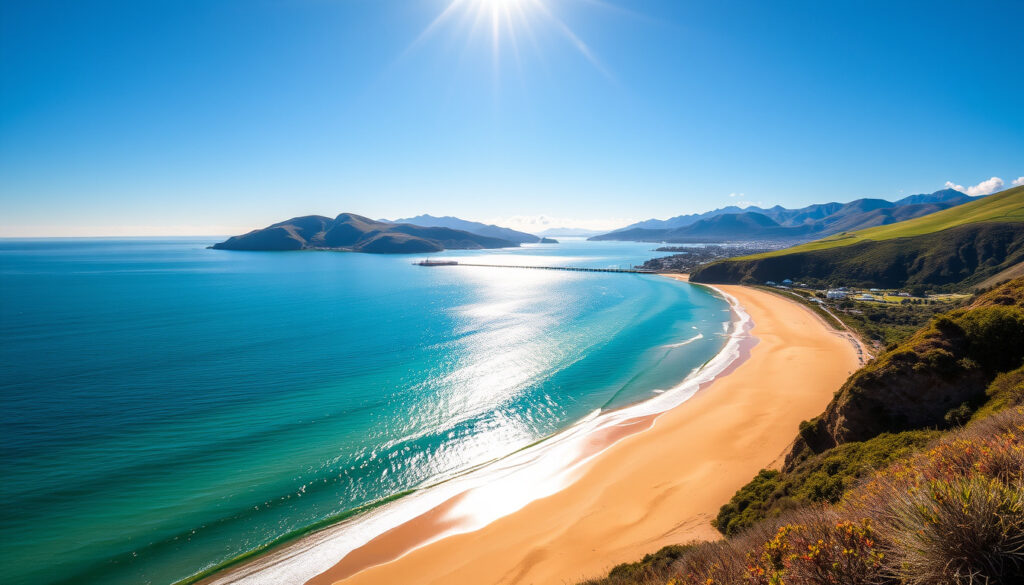
Nelson sits at the northern tip of New Zealand’s South Island, commanding a position along the shores of Tasman Bay that has shaped its identity for centuries. As the sunniest city in the country, with more than 2,400 hours of sunshine annually, Nelson offers a blend of natural beauty and creative energy that distinguishes it from other New Zealand destinations. The city serves as a gateway to several national parks, including the famous Abel Tasman National Park, while maintaining its own distinct character as an arts and culinary hub.
The wider Nelson-Tasman region encompasses roughly 120,000 residents, with approximately 51,000 people residing within the city itself. This population supports a vibrant centre where historic architecture meets contemporary galleries, where sandy beaches lie within easy reach of forested mountains. Visitors arriving at Nelson Airport—connecting flights from Christchurch take roughly one hour—find themselves positioned to explore one of New Zealand’s most diverse recreational landscapes.
Where is Nelson, New Zealand and What Makes It Unique?
Nelson occupies a strategic location in the Tasman Region, approximately 58 kilometres south of the Cook Strait ferry terminal at Picton. The city faces Tasman Bay to the north and east, while the surrounding terrain rises quickly into mountain ranges that form part of the national park network. This geography creates a compact urban area where coastal and alpine environments exist within a short drive of each other.
Location
Top of South Island, Tasman Bay
Population
~51,000 (city), ~120,000 (region)
Climate
Sunshine capital, 2,400+ hours/year
Signature
Arts, crafts, golden beaches
Key Characteristics
- New Zealand’s sunniest city with a Mediterranean-style climate
- Second-oldest settled town in the country, established in the early 1840s
- Home to the World of WearableArt Museum since 1987
- Gateway to three national parks: Abel Tasman, Nelson Lakes, and Kahurangi
- Renowned for craft markets, wineries, and a thriving creative community
- Compact walkable centre with easy access to diverse outdoor environments
- Nicknamed the “Top of the South” for its geographic position
Snapshot Facts
| Fact | Value |
|---|---|
| City Area | Approximately 52 sq km |
| Region | Tasman |
| Airport Code | NSN |
| Annual Sunshine | 2,400+ hours |
| Key Landmark | Christ Church Cathedral (35m tower) |
| Main Street | Trafalgar Street |
What is Nelson New Zealand Known For?
Nelson’s reputation rests on a combination of natural assets and cultural achievements that have developed over more than a century of settlement. The city attracts visitors seeking both outdoor adventure and creative inspiration, offering experiences that span from golden beaches to world-class galleries. Its position as a centre for New Zealand’s arts community stems from a historical concentration of craftspeople, painters, and designers who found inspiration in the surrounding landscapes.
Natural Landscapes and National Parks
Three national parks surround Nelson, each offering distinct environments for exploration. Abel Tasman National Park, situated roughly one hour’s drive to the northwest, features the famous Coast Track—a 60-kilometre Great Walk route connecting golden beaches through coastal forest. Visitors can access the park via water taxi from Marahau, allowing day trips or multi-day hiking adventures. The park also supports kayaking, snorkelling, and wildlife viewing opportunities, with seals and penguins commonly spotted along the coastline.
Nelson Lakes National Park lies approximately 1.5 hours to the northeast, presenting a contrasting landscape of alpine lakes, mountain peaks, and beech forests. This park remains less frequented than Abel Tasman, offering hikers and nature enthusiasts a more rugged wilderness experience. Kahurangi National Park to the west includes the Heaphy Track, another of New Zealand’s Great Walks, known for its diverse ecosystems spanning from forests to tussock grasslands.
Arts, Culture, and Heritage
The World of WearableArt & Classic Cars Museum represents one of Nelson’s most celebrated cultural institutions. Established in 1987, the annual WearableArt Awards have grown into a nationally recognised event, with entries showcasing imaginative garments constructed from unconventional materials. The museum now houses permanent collections of past award winners alongside vintage automobiles, creating an eccentric display that draws visitors throughout the year.
Christ Church Cathedral anchors the city’s historic centre, with construction beginning in 1851 and the current structure rebuilt in 1925. The 35-metre tower remains a visible landmark and serves as a focal point for understanding Nelson’s colonial development. Nearby, the Saturday Market at Montgomery Square and the Wednesday markets along Trafalgar Street continue traditions of local commerce and craft that have defined the city for generations.
The compact city centre means most Nelson attractions fall within a 1.5-hour walking radius. Using the local bus service or renting a vehicle becomes essential only for reaching trailheads at Abel Tasman National Park, located approximately 36 kilometres from the city.
Best Things to Do in Nelson NZ
Visitors to Nelson encounter a wide range of activities suitable for different interests and physical abilities. The following attractions represent the most frequently cited experiences across travel resources and visitor reviews, arranged by category to help plan an itinerary.
Beaches and Coastal Activities
Tahunanui Beach provides the most accessible sandy shoreline, located within walking distance of the city centre. The beach suits families and those seeking uncomplicated swimming, picnicking, and sunbathing opportunities. Cable Bay offers another coastal option with slightly more exposed conditions, while the golden sands of Kaiteriteri and Anchorage within Abel Tasman National Park require a longer journey but deliver quintessential coastal experiences complete with turquoise waters and native bush extending to the shoreline.
Walking and Hiking
The Centre of New Zealand offers a short but rewarding walk from the city, ascending to a summit marker that commemorates the geographic centre of New Zealand. This relatively easy track provides panoramic views of the city, harbour, and surrounding mountains. More demanding options include the Cable Bay Walkway, the Sir Stanley Whitehead Track, and the ridge routes traversing Botanic Hill, each offering varying levels of challenge and scenic reward.
Family-Friendly Attractions
Founders Heritage Park presents local history through restored heritage buildings, a historic railway, and interactive displays suitable for children and adults alike. Natureland, a small zoo in the city, houses native New Zealand wildlife in naturalistic enclosures. The Brook Waimārama Sanctuary, rated highly on visitor review platforms, provides an accessible nature experience with well-maintained tracks and opportunities to observe native birds in a protected environment.
| Attraction | Highlights | Accessibility |
|---|---|---|
| Abel Tasman National Park | Beaches, Coast Track, kayaking, wildlife | Water taxis, buses; family-friendly day tours available |
| Tahunanui Beach | Swimming, picnics, proximity to city | Walkable from city centre; excellent for families |
| WearableArt Museum | Art installations, classic cars | Central location; indoor; suitable for all ages |
| Centre of New Zealand | Views, easy walking tracks | Tracks from city; moderate fitness required |
Food, Wine, and Local Experiences
The Nelson region’s wine industry has developed significantly over recent decades, with vineyards producing notable varieties including Sauvignon Blanc, Pinot Noir, and Chardonnay. Several wineries offer cellar door tastings and e-bike tours that combine scenic cycling with wine education. Local farmers’ markets provide opportunities to sample regional produce, while the city’s restaurant scene reflects both its agricultural surroundings and multicultural influences.
Sustainable tourism practices are actively promoted throughout the Nelson-Tasman region. Visitors to national parks are encouraged to follow “leave no trace” principles, use guided eco-tours for Abel Tasman kayaking and snorkelling experiences, and apply insect repellent to protect native sandfly populations from introduced contaminants.
Nelson New Zealand Weather and Best Time to Visit
Nelson’s climate sets it apart from much of New Zealand, earning it the title of the country’s sunniest city. The region receives more than 2,400 hours of sunshine annually, with summer days frequently reaching into the mid-twenties Celsius. This mild, temperate climate supports outdoor activities throughout most of the year, though the specific experience varies by season.
Seasonal Overview
Summer months from December through February represent the peak visitation period, coinciding with school holidays and the warmest weather. Beach activities, hiking, and water sports reach their popularity during these months, and accommodation prices reflect the increased demand. Summer visitors should book Abel Tasman accommodations and tour operators well in advance, as day trips from Nelson can become crowded at popular beach locations.
Spring and autumn serve as shoulder seasons, offering a balance between favourable weather and reduced visitor numbers. Autumn particularly provides stable conditions suitable for longer hikes in national parks, with the added benefit of seasonal colour changes in the surrounding forests. Spring brings wildflowers to the region and generally cooler temperatures that make moderate walking more comfortable.
Practical Weather Information
Winter months from June through August experience the coolest temperatures, though Nelson rarely encounters the heavy snowfall that affects other South Island locations. The city itself remains accessible year-round, and nearby mountain areas offer skiing and snow activities for winter sports enthusiasts. Indoor attractions like the WearableArt Museum and Founders Heritage Park provide alternatives during occasional rainy periods.
Regardless of season, visitors to Nelson’s national parks should pack insect repellent. Sandflies remain prevalent throughout the region’s outdoor areas, and their bites can significantly impact comfort during extended time outdoors.
Nelson NZ Population, History, and Key Facts
Nelson holds a special place in New Zealand’s colonial history as the second-oldest settled town in the country. European settlement began in 1841 and 1842, establishing a community that would grow into a regional centre for commerce, culture, and government. The city received borough status in 1858 and was officially declared a city in 1874, marking its development from a frontier settlement to an established urban centre.
Timeline of Key Events
- 1841-1842: First European settlement established, making Nelson one of New Zealand’s earliest colonial towns
- 1851: Construction of Christ Church Cathedral begins; the structure would later be rebuilt in 1925
- 1858: Nelson officially gains borough status
- 1870: The first rugby game in New Zealand is played at the Botanic Sports Field
- 1874: Nelson receives official city status
- 1987: The World of WearableArt Awards launches, establishing Nelson as a centre for creative arts
The area’s history extends far beyond European settlement. Māori iwi (tribes) have inhabited the region for centuries, with the landscape bearing names and stories that predate colonial maps. Abel Tasman National Park, named after the Dutch explorer who charted the New Zealand coast in 1642, reflects the region’s connection to Pacific navigation and early European contact.
Population and Demographics
Current estimates place Nelson’s city population at approximately 51,000 residents, with the broader Nelson-Tasman region home to roughly 120,000 people. These figures represent estimates drawn from available regional data rather than official Statistics New Zealand figures, which should be consulted for precise demographic information. The community supports a diverse economy centred on arts, tourism, wine production, and craft industries.
Getting to Nelson
Nelson Airport (NSN) provides direct connections to several New Zealand cities. Flights from Christchurch take approximately one hour, while the journey from Wellington requires around 40 minutes. Auckland flights to Nelson operate with a typical duration of 1.5 hours. For those preferring road travel, the drive from Christchurch covers approximately 5.5 hours via State Highways 1 and 6, passing through Blenheim along the way. Picton, the Cook Strait ferry terminal, lies roughly two hours north of Nelson.
Facts and Uncertainties: What We Know and Don’t Know
When researching Nelson as a destination, visitors encounter both well-documented information and gaps where data remains incomplete or requires verification from authoritative sources.
| Established Information | Information Requiring Verification |
|---|---|
| Nelson is New Zealand’s sunniest city | Precise current population figures (2023 census data from Stats NZ) |
| City population approximately 51,000; region 120,000 | Current mayor’s name (not specified in available sources) |
| Abel Tasman National Park located 1 hour from Nelson | Specific 2025 event listings (check nelsonnz.com for current calendar) |
| Christ Church Cathedral rebuilt in 1925 with 35m tower | Economic impact figures or precise tourism statistics |
| World of WearableArt museum established 1987 | Detailed accommodation pricing data for 2025 |
For the most current and accurate information on events, accommodation availability, and local services, the official Nelson visitor website and Statistics New Zealand provide authoritative resources. The Tasman District Council website offers information on parks, facilities, and local governance matters.
Why Nelson Matters: Context and Significance
Nelson occupies a unique position within New Zealand’s tourism landscape, functioning simultaneously as a destination in its own right and as an access point to some of the country’s most treasured natural areas. The city’s economic identity relies heavily on visitor spending, with the arts and wine industries complementing the traditional tourism sector built around national parks and coastal recreation.
The growing appeal of remote work and lifestyle migration has increased Nelson’s profile among domestic and international residents seeking quality of life beyond major urban centres. This trend supports ongoing investment in infrastructure and amenities while presenting challenges related to housing affordability and service delivery common to popular smaller cities worldwide.
Environmentally, the Nelson-Tasman region exemplifies New Zealand’s commitment to conservation, with national parks protecting biodiversity and sustainable tourism initiatives minimising visitor impact on sensitive ecosystems. Visitors who explore the area responsibly contribute to a model of tourism that balances economic benefits with environmental stewardship.
Sources and Official Information
The following resources provide authoritative information for planning visits to Nelson and the surrounding region. These sources cover everything from flight connections and driving routes to event calendars and park regulations.
New Zealand’s official tourism website confirms Nelson’s diverse geography ranging from beaches to forests and mountains, positioning the region as a top destination for outdoor activities, culture, and wine experiences.
The region emphasises sustainable tourism through eco-friendly activities, wildlife protection initiatives, and low-impact experiences including guided kayaking in Abel Tasman National Park.
For statistics, demographics, and census information, Statistics New Zealand provides official datasets. The Tasman District Council website offers local governance information, resource management details, and community services data. TripAdvisor rankings reflect aggregated visitor experiences for attractions including the World of WearableArt & Classic Cars Museum and the Brook Waimārama Sanctuary.
Summary
Nelson, New Zealand, delivers a distinctive combination of sunny weather, creative energy, and outdoor access that appeals to a wide range of visitors. The city works equally well as a base for exploring three national parks or as a destination in itself for arts appreciation, wine tasting, and coastal relaxation. Compact enough to navigate on foot yet diverse enough to fill multiple days of exploration, Nelson represents the South Island’s balance of natural beauty and cultural sophistication. Those planning visits should prioritise Abel Tasman National Park for coastal wilderness experiences while setting aside time to discover the city’s galleries, markets, and historic cathedral. For additional planning resources, consult the flights from Christchurch options and regional Queenstown to Lake Tekapo comparisons to extend South Island travel plans.
Frequently Asked Questions
How far is Nelson from Christchurch?
By air, the flight takes approximately one hour. Driving covers roughly 5.5 hours via State Highways 1 and 6 through Blenheim.
What is Nelson, New Zealand known for?
Nelson is known as New Zealand’s sunniest city, a hub for arts and crafts, the World of WearableArt Museum, proximity to Abel Tasman National Park, and a thriving wine region.
What is the population of Nelson, New Zealand?
The city has approximately 51,000 residents, with the wider Nelson-Tasman region home to around 120,000 people.
When is the best time to visit Nelson?
Summer (December to February) offers the warmest weather for beaches and outdoor activities. Shoulder seasons (spring/autumn) provide fewer crowds with good conditions for hiking Abel Tasman.
How do you get to Abel Tasman National Park from Nelson?
The park lies approximately one hour’s drive northwest of Nelson. Water taxis operate from Marahau, and several tour operators provide day trips including transport, guided walks, and kayaking.
What are the top attractions in Nelson?
Key attractions include the World of WearableArt & Classic Cars Museum, Christ Church Cathedral, Tahunanui Beach, the Centre of New Zealand walking tracks, and Founders Heritage Park.
Does Nelson have good weather year-round?
Nelson receives over 2,400 sunshine hours annually, making it New Zealand’s sunniest city. Mild weather persists through most seasons, though winter is cooler and some areas experience occasional snow.
Is Nelson suitable for families?
Yes. The city offers walkable streets, family-friendly beaches like Tahunanui, accessible short walks, wildlife sanctuaries, and heritage parks that appeal to children of various ages.
What is the flight time to Nelson from Wellington?
Direct flights from Wellington to Nelson take approximately 40 minutes.
Are there wineries near Nelson?
The Nelson region has developed a notable wine industry producing Sauvignon Blanc, Pinot Noir, and Chardonnay. Several vineyards offer cellar door tastings and e-bike tour experiences.
More related posts
 Medicube Zero Pore Pad: Usage, Safety, Results
 Fatal Car Crash Blenheim Today: 4 Dead, Investigation Underway
 Mitre 10 MEGA Nelson Hours, Catalogue, Products & Phone
 Flights to Christchurch from Auckland: Compare Airlines & Prices
 Air New Zealand Booking: Online Flights & Tips
 280 USD to NZD: US Dollars to New Zealand Dollars Today
 Oakwood Premier Melbourne: Reviews, Rating & Taylor Swift
 Auckland Airport Lost and Found: How to Retrieve Your Items
